Why does the diagnosis matter?
Yes. IBS and Crohn's are distinct conditions. Your medical diagnosis, current care, and previous testing matter when discussing any additional support.

Personal care. Jasper, Indiana.
Meals, long drives, and flights can take extra thought when digestive symptoms get in the way. Dr. Bryan has described that experience with IBS. Start with your diagnosis and the concerns affecting your day.
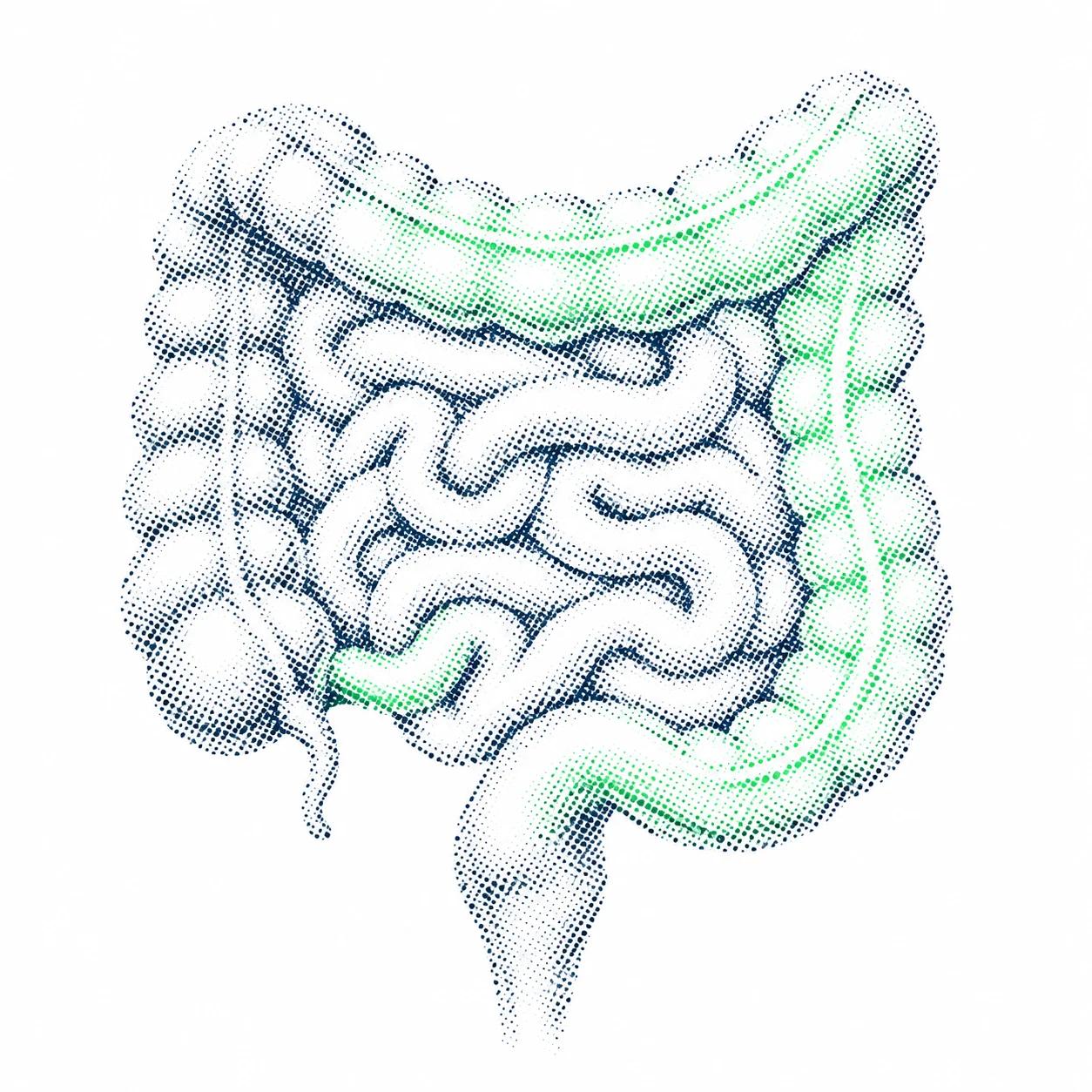
In his recording, Dr. Bryan recalls choosing loose clothing for flights and worrying about reaching a bathroom. If your routine revolves around digestive symptoms, tell us what you have changed and what you have already tried.
 How symptoms affect meals, travel, or work
 Your diagnosis and previous test results
 Medicines and dietary changes you have tried
Mark what you have tried and bring it to your call.
Start with your diagnosis, current care, and the digestive symptoms that affect your plans.
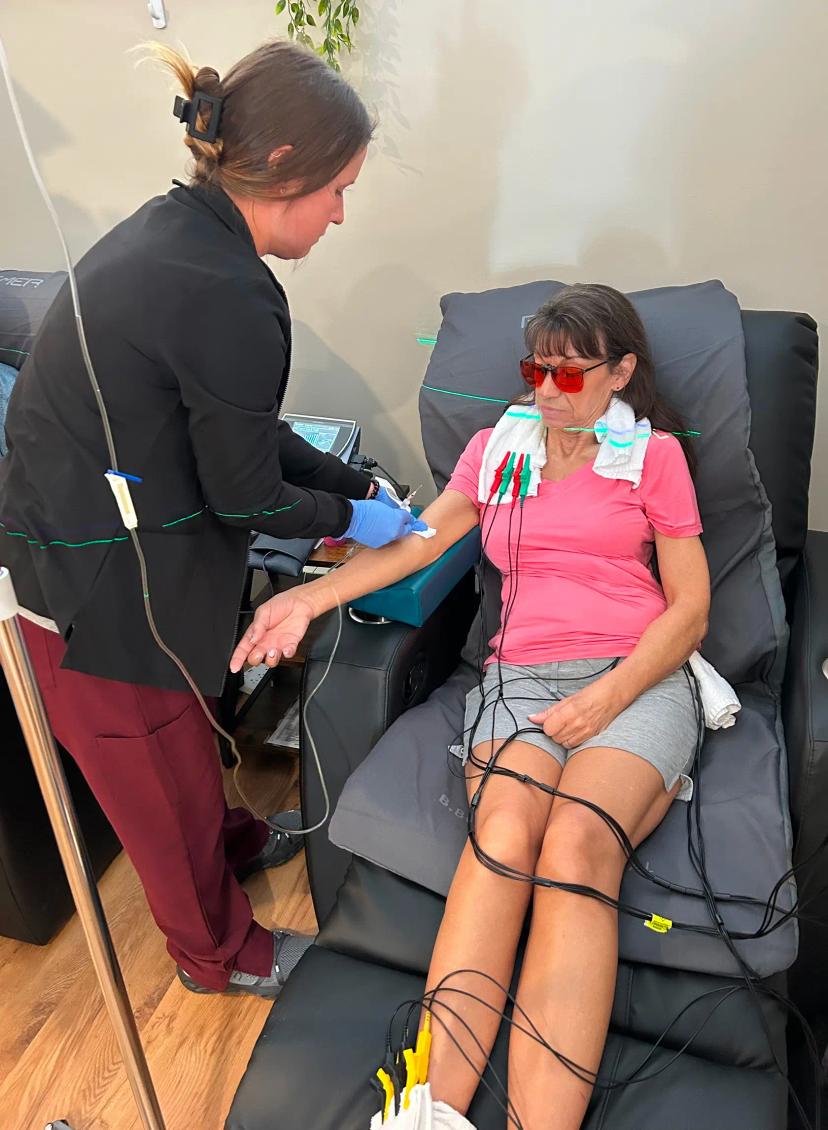
We ask about sleep, digestion, energy, and daily routines as well as your diagnosis and records.
Your first visit is for listening and gathering the information that matters for your situation.
Dr. Bryan has described living with IBS himself. It shapes the questions he asks, and it cannot predict outcomes for anyone else.
Keep your clinician involved. Ask how relevant findings can be shared with your care team.
Each tool is explained for what it is, including what is still being studied for IBS and Crohn's.
RegenMed is self-pay. Your recommendations and costs are explained before you decide to begin care.
Several of these are investigational for IBS and Crohn's. We explain the evidence for each one before you decide.
His own experience with IBS and the daily patterns he asks about. IBS and Crohn's are distinct diagnoses.

Findings, options and costs come first. Follow-up depends on whether you choose care.
What may be contributing to your digestive symptoms, in words you can repeat at home.
Including care we don't provide here, with what each one involves.
Recommendations and costs are explained before you decide to begin.
Name the meals, trips, and plans you want to discuss.
Ask how you would assess the recommendation alongside your existing care.
Take time to decide whether the recommendation fits your needs.
Four steps, from a phone call to a plan. You decide at each one whether to go on.

Talk through your concerns and decide together whether an evaluation makes sense.

Your history, an examination, and relevant imaging or lab results.

We explain the options, their limits, and the full cost before anything begins.

We check progress against the goals we agreed on, and adjust or stop if it is not helping.
Yes. IBS and Crohn's are distinct conditions. Your medical diagnosis, current care, and previous testing matter when discussing any additional support.
No. Continue the care and follow-up recommended by your clinician. Discuss any proposed medication changes with your prescriber.
Tell us what you tried, for how long, and what you noticed. Bring the advice you received from your medical clinician or dietitian.
That depends on your history and evaluation. Ask what any proposed test measures, its limitations, and its cost before deciding.
RegenMed is self-pay and does not bill insurance. The team reviews the recommendation and cost before you decide.
Bring relevant test results, your medication and supplement list, and notes about food or routine changes you have tried and how they went.
Share your diagnosis and questions with our team. We can explain how an evaluation would fit alongside your current medical care.
Prefer to call? (812) 634-1725